Residential Roof Inspection in Peoria, AZ
TSM Roofing provides residential roof inspections throughout Peoria, Arizona, with specialized expertise in evaluating roofing systems exposed to the desert’s extreme weather conditions. Our certified inspectors understand how intense heat, monsoon storms, and dust storms impact different roofing materials commonly found in Peoria homes.
Our thorough inspection process combines visual assessments from ground level, detailed inspections, and comprehensive attic evaluations to identify potential issues before they become expensive repairs.
We inspect all roofing types prevalent in Peoria residential construction, including clay and concrete tile systems, asphalt shingle roofs, and flat roofing systems. Our inspectors are specifically trained to identify damage patterns unique to Arizona’s climate, such as thermal expansion damage, granule loss from UV exposure, and storm-related impacts from the monsoon season.
TSM Roofing’s local expertise ensures Peoria homeowners receive accurate assessments tailored to regional roofing challenges, helping protect property values and prevent unexpected repair costs.



Desert Climate Challenges That Lead to an Increased Need for Inspections
Peoria’s extreme desert environment creates unique stressors that significantly impact residential roofing systems throughout the year. Summer temperatures regularly exceeding 115 degrees Fahrenheit cause intense UV degradation, breaking down roofing materials faster than in moderate climates. This constant thermal exposure leads to granule loss on asphalt shingles, tile cracking, and accelerated deterioration of sealants and flashing components.
Arizona’s monsoon season brings sudden temperature drops, powerful winds exceeding 70 MPH, and marble-sized hail that can damage even durable tile roofing. These storms create rapid temperature cycling, causing roofing materials to expand and contract repeatedly, which loosens fasteners and creates micro-fractures that develop into larger problems over time.
Dust storms throughout the valley deposit fine particles that clog gutters and drainage systems, creating water backup issues during rare but intense rainfall. This dust accumulation also retains moisture against roofing surfaces, accelerating corrosion of metal components and degrading protective coatings.
Key Inspection Areas for Peoria, AZ Roofs
Our residential roof inspections focus on critical areas where Arizona’s extreme climate causes the most damage to Peoria homes. We begin with flashing and seal assessment around HVAC units, plumbing vents, and chimneys, where thermal expansion creates gaps that allow moisture in during monsoon storms.
Shingle and tile displacement checks verify the fasteners’ structural integrity after dust storms and high winds, identifying loose or missing components before they become projectiles. We examine each fastener for thermal cycling damage and corrosion, common issues in Peoria’s temperature extremes that weaken attachment points over time.
Drainage system evaluation includes gutter functionality testing and downspout clearance verification, ensuring proper water flow during intense rainfall events. We remove accumulated dust and debris that blocks drainage channels, preventing water backup that can damage fascia boards and create interior leaks.
Attic ventilation assessment identifies heat stress damage to decking and underlayment materials, checking for proper airflow that reduces energy costs and prevents premature material failure. We evaluate insulation displacement and moisture accumulation, which indicates inadequate ventilation.
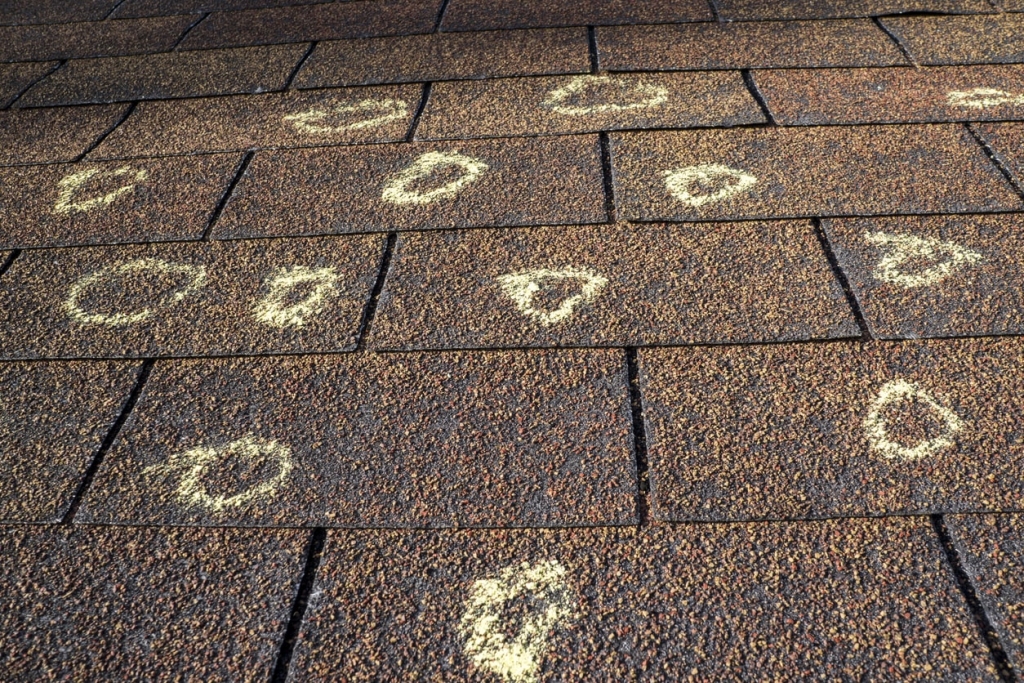
Decking and underlayment condition analysis reveals hidden deterioration from temperature cycling and UV exposure that penetrates through damaged surface materials. Our storm damage identification process documents hail impacts, wind damage, and thermal stress patterns with detailed photography for insurance documentation, ensuring homeowners receive proper coverage for weather-related repairs specific to Arizona’s challenging climate conditions.

Trusted Expertise for Every Roofing Project



















Inspection Reports for Peoria, AZ Homeowners
Every residential roof inspection includes detailed photo and video documentation showing current conditions, problem areas, and the overall structural integrity of the system.
We provide prioritized repair recommendations organized by urgency level: immediate safety concerns requiring quick attention, necessary repairs to prevent further damage during the monsoon season, and preventive maintenance items that extend the lifespan of the roof. Each recommendation includes estimated timelines and explains how delaying repairs could impact your home’s protection against Peoria’s extreme weather conditions.
We recommend seasonal inspection timing based on Peoria’s weather patterns, suggesting pre-monsoon evaluations in May and post-storm assessments in September to identify new damage before minor issues become major problems.
TSM Roofing’s transparent reporting process empowers Peoria homeowners to make informed decisions about their roofing systems. Contact us today to schedule your residential roof inspection and receive the detailed documentation and expert guidance you need to protect your home investment in Arizona’s challenging climate.
Frequently Asked Questions
What happens to my roof's sealants and flashing during Peoria's hottest months? chevron_right
Sealants and flashing are some of the first parts of your roof to show wear in Peoria’s heat because they expand and contract constantly as temperatures swing between day and night. Over time, this repeated movement causes sealants to crack, pull away, or dry out entirely, leaving gaps where water can get in during a monsoon. A roof inspection will catch these subtle failures early, before a summer storm turns a small gap into a serious leak.
Does my roof need to be inspected more often if I have tile instead of asphalt shingles? chevron_right
Tile roofs are durable, but they come with their own vulnerabilities in the desert. The tiles themselves can handle intense heat well, but the underlayment beneath them degrades over time from UV exposure, and cracked or shifted tiles often go unnoticed because the roof still looks fine from the street. Having a tile roof inspected regularly helps you stay ahead of underlayment wear and spot displaced tiles before they expose your decking to monsoon rain.
How do dust storms affect my roof between inspections? chevron_right
Haboobs deposit a surprising amount of fine debris on your roof, and that buildup does more than clog your gutters. Dust that packs into low-slope areas retains moisture against roofing surfaces, which speeds up corrosion on metal flashing and breaks down protective coatings faster than UV exposure alone would. After a significant dust storm, it is worth having your gutters and drainage channels checked so that debris does not create water backup during the next rainfall.
Your Arizona Roofing Partner Since 2016
Why Choose Us As Your Partner For Roofing & Exterior Projects?
When it comes to protecting your property, experience matters. TSM Roofing LLC delivers exceptional roofing solutions throughout Phoenix, Prescott, and surrounding communities with local expertise you can trust. Our certified specialists excel in both residential and commercial projects, from repairs and maintenance to complete replacements. We use only premium materials designed to withstand Arizona’s harsh climate, and we back every job with transparent pricing and outstanding customer service. Choose TSM Roofing LLC and discover why so many Arizona property owners trust us to protect what matters most.
-
explore_nearby
Locally Owned & Operated
-
build_circle
Certified Specialists
-
cottage
Quality Materials Only
-
handshake
Transparent, Honest Service
-
orbit
Complete Roofing Solutions
Easy Financing
Monthly payment options from our trusted financing partners!
Your Dream Home Is Within Reach — Finance It Today!
-
Budget-Friendly Solutions
-
No High Upfront Costs
-
Quick Approval Process
-
Flexible Payment Terms
-
Protect Home Value