
Storm Damage Roof Repair in Chandler, AZ
Chandler's monsoon season is no small thing. From late summer into early fall, storms roll through with strong winds, blowing debris, and heavy rain that can expose every weak point on your roof in a matter of hours. The desert heat that builds up through summer already makes roofing materials more brittle over time, so by the time a storm arrives, shingles, tile edges, flashing joints, and foam coatings are often more vulnerable than they look from the ground. What starts as a displaced tile or a lifted shingle edge can quietly allow water to reach the underlayment beneath, spreading damage well beyond what's visible after the storm passes.
That pattern is exactly why roof repair after a storm requires more than surface patching. The real concern is often what happens at the joints, gaps, and transitions around vents, skylights, and parapet walls, where wind-driven rain finds its way in even when the main surface of the roof still appears intact.
TSM Roofing LLC works specifically in this market and understands how Chandler's weather conditions wear on the roofing systems used here, whether that's asphalt shingles, concrete tile, or spray foam. Getting a complete inspection after a storm means checking the areas most likely to hide early failures, so your home stays protected before the next round of weather moves through.
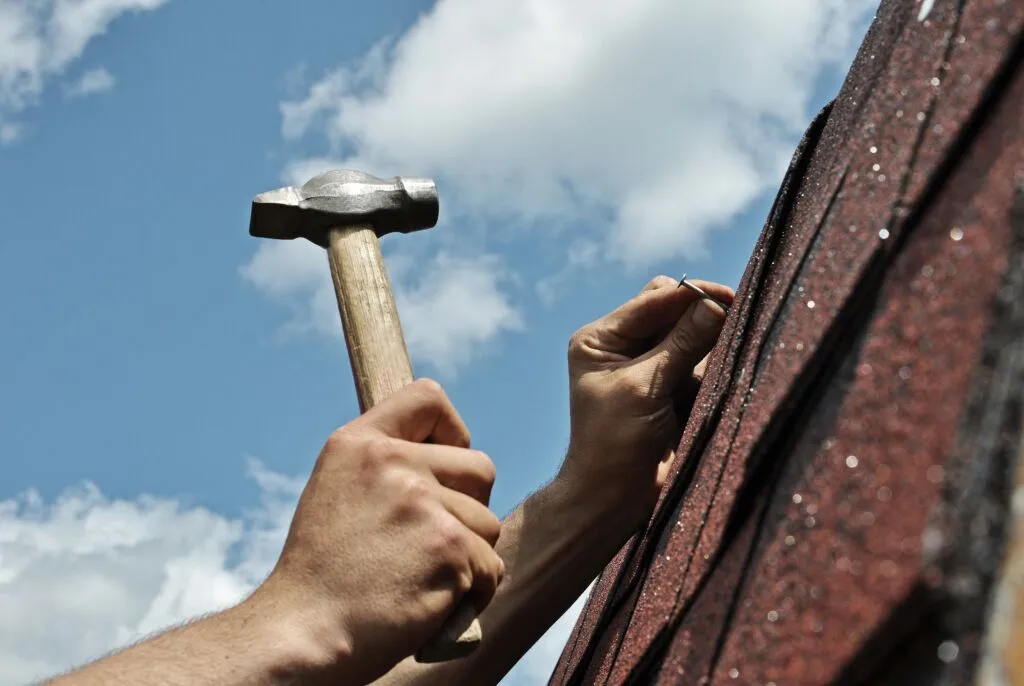


How Storm Damage Roof Repair Works in Chandler, AZ
When storm damage hits a roof, the next steps matter just as much as the repair itself. Here is how TSM Roofing LLC handles storm damage roof repair from start to finish.
- Step 1: Post-Storm Roof Inspection
We inspect the full roofing system with a focus on areas most commonly affected by wind and impact. This includes shingles or tile surfaces, ridge lines, flashing joints, vents, skylights, and roof transitions. Storm-related damage is often subtle, so we look for lifted materials, displaced fasteners, seal failures, and signs that water may have entered beneath the surface layers. If no actionable damage is found, that is communicated directly. - Step 2: Damage Assessment and Explanation
After the inspection, findings are reviewed in clear terms. We separate surface-level damage from conditions that may affect the underlying water barrier system, since those require different repair approaches. The goal is to clearly define what occurred and what it means for the roof’s performance moving forward. - Step 3: Repair Scale and Written Estimate
A repair plan is outlined based strictly on verified damage. The scale is limited to restoring the roof’s weather protection system, with no unnecessary additions. The estimate reflects only the work required to return the affected areas to proper function. - Step 4: Targeted Storm Damage Repair
Repairs are completed using materials compatible with the existing roofing system, whether shingles, tile components, flashing materials, or sealants. Attention is given to transition points and gaps, where storm impact typically concentrates and failures begin. Work is typically completed within a single day, depending on severity and access. - Step 5: Final Verification and Condition Review
Once repairs are complete, the affected areas are rechecked to confirm the roof has been properly sealed and restored. The work performed is reviewed so you understand what was addressed and how the repaired sections are expected to perform under future weather conditions.
Where Storm Damage Hides in Chandler, AZ
After a monsoon storm, the visible damage is rarely the whole story. Wind and rain work into your roofing system through small openings that are easy to miss, and Chandler's intense heat makes materials brittle enough that a single storm can trigger failures that show up days or weeks later. Knowing which areas are most vulnerable helps you understand why a thorough inspection matters before you assume your roof made it through unscathed.
| Damage Location | What Storm Damage Looks Like | Why It Matters |
|---|---|---|
| Tile edges and field tile | Cracked, shifted, or displaced tiles | Broken tile exposes the underlayment, which is often where the real damage begins |
| Flashing joints | Lifted or separated metal at vents, skylights, and parapet walls | Wind-driven rain enters at these junctions even when the main surface looks intact |
| Foam roof surfaces | Blistering, surface erosion, or breached coating | Weather exposure weakens the protective layer and allows leaks to develop beneath |
| Ridge and hip areas | Displaced ridge caps or exposed seams | High-wind uplift concentrates at elevated edges and can pull material loose |
| Roof gaps | Failed sealant around vents, pipes, and skylights | Heat-stressed sealants crack after storms, creating entry points that spread beneath the surface |
Catching these failures early keeps a minor breach from becoming a much larger repair. If your roof took on any wind, debris, or heavy rain recently, an inspection of these specific areas is the right next step.
Checking the Underlayment’s Structural Integrity on Tile Roofs
When tile shifts or cracks during a storm, the real concern is what happened to the underlayment beneath it. We check this layer directly because water that gets past displaced tile can travel horizontally and show up well away from the original breach.
Foam Roof Resealing and Surface Restoration
Spray foam roofing holds up well under normal conditions, but monsoon storms can breach the protective coating and leave the foam itself exposed to UV and moisture. We reseal, or recoat affected areas to restore the waterproof barrier before desert heat has a chance to accelerate the breakdown.
Localized Shingle Repair Around Roof Gaps
Monsoon winds pull at shingle edges most aggressively near vents, pipes, and other roof gaps, where cuts and seams already create natural weak points. We repair and re-secure these isolated sections rather than treating the surrounding field, keeping the repair targeted and the barrier complete.
Secondary Failure Prevention After Storms
Because Chandler's heat makes roofing materials more brittle over time, a storm can stress sealants and exposed edges enough to trigger new leaks days after the weather clears. We address those stressed areas during the repair visit, so your home is not left waiting on a failure that was already set in motion.

Trusted Expertise for Every Roofing Project


Get Storm Damage Repaired in Chandler, AZ
Chandler's combination of intense heat and seasonal storms puts real stress on roofing systems, and that stress doesn't stop once a storm clears. Materials that have been through months of desert sun are more likely to develop secondary failures after wind and rain, which is why acting before the next round of monsoon weather arrives is a practical decision for any homeowner. Getting the repair done now means your roof is working the way it should before conditions test it again.
TSM Roofing LLC is familiar with the roofing systems used across the Chandler area and the specific ways storms affect them. If your roof took on wind, debris, or heavy rain recently, reaching out for an inspection is a straightforward next step. There is no obligation to ask questions, and knowing the actual condition of your roof puts you in a much better position than waiting to find out through a leak.
Frequently Asked Questions
Does it matter what type of roofing material my home has when it comes to storm repairs in Chandler? chevron_right
It matters quite a bit, actually. Tile, spray foam, and asphalt shingles each fail differently during a monsoon storm, and the repair approach has to match the material. With tile roofs, the tile itself might look fine while the underlayment beneath it has already been compromised. Foam roofs can look intact from the ground, but have a breached surface coating that will get worse quickly under the desert sun if it is not addressed.
If my roof isn't actively leaking after a storm, does it still need to be inspected? chevron_right
No visible leak means no damage. In Chandler's climate, heat-stressed sealants and lifted flashing can allow water to enter during a storm and sit beneath the surface without showing up inside your home right away. By the time a leak appears on your ceiling, the breach has usually been there long enough to spread well beyond the original entry point. A post-storm inspection catches those early failures before they turn into something larger.
Why do some storm repairs in Chandler show up weeks after the actual storm? chevron_right
Chandler's intense UV exposure makes roofing materials more brittle over time, so a storm doesn't have to cause immediate, obvious damage to set a failure in motion. Wind and rain can stress a sealant or crack a tile edge just enough that the next stretch of dry heat finishes the job, causing a leak days or weeks later. That is why storm repairs here focus on the entire condition of vulnerable areas, not just what broke visibly during the storm itself.
Your Arizona Roofing Partner Since 2016
Why Choose Us As Your Partner For Roofing & Exterior Projects?
When it comes to protecting your property, experience matters. TSM Roofing LLC delivers exceptional roofing solutions throughout Phoenix, Prescott, and surrounding communities with local expertise you can trust. Our certified specialists excel in both residential and commercial projects, from repairs and maintenance to complete replacements. We use only premium materials designed to withstand Arizona’s harsh climate, and we back every job with transparent pricing and outstanding customer service. Choose TSM Roofing LLC and discover why so many Arizona property owners trust us to protect what matters most.
- explore_nearby
Locally Owned & Operated
- build_circle
Certified Specialists
- cottage
Quality Materials Only
- handshake
Transparent, Honest Service
- orbit
Complete Roofing Solutions
Easy Financing
Monthly payment options from our trusted financing partners!
Your Dream Home Is Within Reach — Finance It Today!
- Budget-Friendly Solutions
- No High Upfront Costs
- Quick Approval Process
- Flexible Payment Terms
- Protect Home Value


