Best Wind-Resistant Roofing Materials for Your Home
Key Takeaways: Best Wind-Resistant Roofing Materials
- Choose Strong Materials: Select proven **best wind-resistant roofing materials** like metal roofing or concrete and clay tile for superior strength against high wind uplift.
- Prioritize Class 4 Shingles: Opt for Class 4 impact-resistant shingles, independently verified under UL 2218, to reliably resist high winds and debris impact.
- Match Local Climate: In areas like Phoenix, choose concrete or clay tile, or metal roofing with quality UV coatings, for optimal performance against winds, heat, and UV.
- Ensure Expert Installation: Verify your contractor follows proper fastening patterns, uses correct starter strips, and adheres to all manufacturer specifications to guarantee wind resistance.
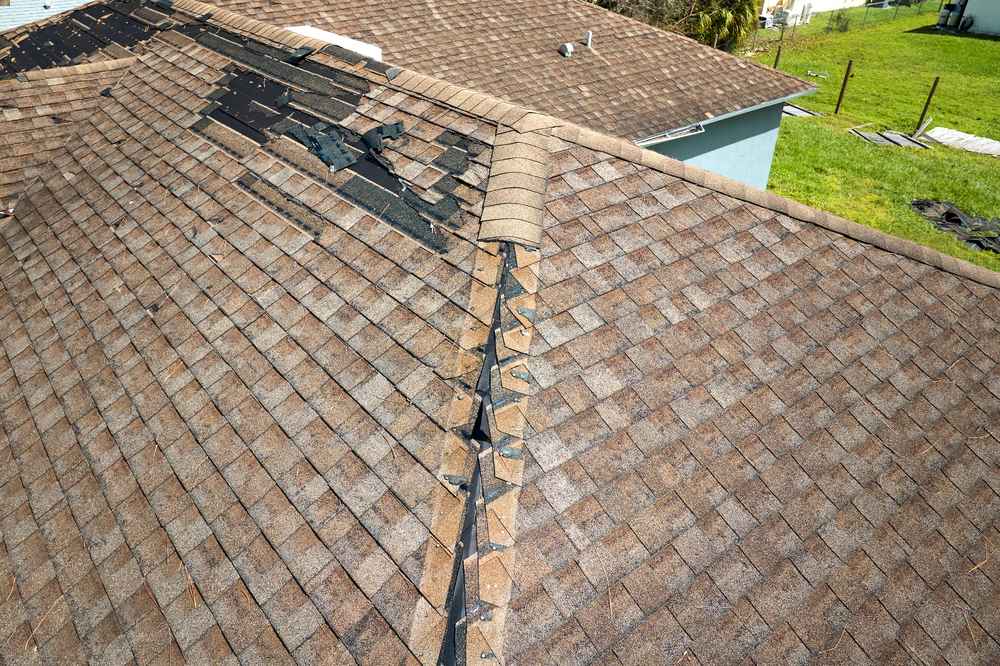
Wind damage is one of the most common and costly threats a roof faces. Whether dealing with seasonal storms or the intense dust storms known as haboobs that sweep through the Phoenix, AZ area, the materials protecting a home from above can mean the difference between minor wear and major structural damage. Choosing the right wind-resistant roofing materials is one of the most important decisions a homeowner can make.
Not all roofing materials perform equally under high wind conditions. Some are engineered specifically for extreme weather, offering superior holding strength and impact resistance, while others may look appealing but fall short when winds pick up. Understanding the differences between high wind roofing options — including impact resistant roofing shingles, metal roofing, and other durable roofing materials for high winds — helps homeowners make smarter, longer-lasting investments in their property. The best roofing for extreme weather depends on several key factors, including material composition, installation quality, and wind speed ratings.
What Makes a Roofing Material Truly Wind-Resistant
Not every roofing product labeled as durable is actually engineered to handle high winds. Wind-resistant roofing materials are tested and rated based on their ability to withstand wind uplift — the force that pushes up on a roof during strong gusts and can tear materials away from the deck below. The most widely recognized standard is ASTM D3161 for asphalt shingles, while FM 4473 and UL 2218 ratings are commonly used to measure impact resistance. Materials that meet these certifications are better suited as high wind roofing options and have been verified under controlled testing conditions.
Beyond the material itself, performance depends heavily on how a roof is built and installed. A steeper roof pitch can actually reduce wind uplift in some cases, while a low-slope roof may require additional fastening. Heavier materials like concrete tile tend to resist lifting naturally, but installation method matters just as much as weight. Using the correct number of fasteners, proper starter strips, and sealed edges all contribute to how well durable roofing materials for high winds actually perform when conditions get severe.
The Top Roofing Materials Built to Handle High Winds
When it comes to selecting the best wind-resistant roofing materials, a few options consistently rise to the top in terms of performance and durability. Metal roofing is widely regarded as one of the strongest high wind roofing options available. Steel and aluminum panels are fastened directly to the roof deck and can withstand wind speeds well above what most storm events produce. Their interlocking design leaves very little exposed surface for wind to grab onto.
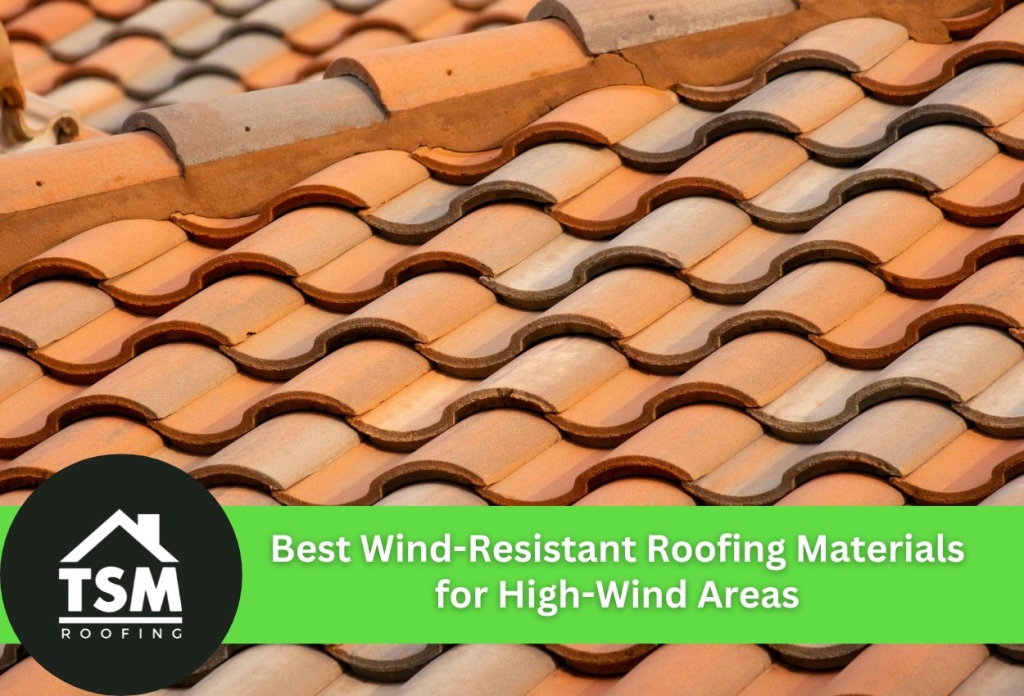
Concrete and clay tile are also strong performers in high wind environments. Their weight alone provides natural resistance to uplift, and when properly anchored, these materials hold up well even in severe conditions. They are a common choice in the Phoenix area where intense wind events are a real concern.
Impact resistant roofing shingles, particularly those rated Class 4, offer a more affordable path to better wind protection. Designed with a reinforced mat and stronger adhesive strips, these shingles are engineered to stay sealed during high-pressure gusts. For homeowners weighing durable roofing materials for high winds against practical considerations, impact resistant shingles deliver reliable performance and remain one of the most accessible options for improving a roof’s ability to handle extreme weather.
Impact-Resistant Shingles and Why They Are Worth Considering
Impact resistant roofing shingles stand apart from standard shingles in both construction and capability. Most conventional shingles are built to handle everyday weather exposure, but they are not specifically engineered to absorb the kind of force that high winds and flying debris produce. Impact resistant shingles are manufactured with a reinforced fiberglass mat and modified asphalt that gives them greater flexibility and strength. That combination allows them to better resist cracking, tearing, and granule loss when debris strikes the surface during a storm.
The Class 4 impact rating, established under UL 2218 testing standards, represents the highest level of impact resistance available in shingle products. To earn this designation, shingles must survive a two-inch steel ball dropped from a set height without cracking — a test designed to simulate real hail and debris impact. For homeowners evaluating high wind roofing options, a Class 4 rated shingle signals a product that has been independently verified to perform under pressure. As one of the more accessible durable roofing materials for high winds, impact resistant shingles remain a practical and well-supported choice when the best roofing for extreme weather is the priority.
How Phoenix’s Climate Shapes the Best High Wind Roofing Choices
Phoenix presents a roofing environment unlike most of the country. Monsoon season, which runs from mid-June through September, brings sudden and intense wind events capable of producing gusts exceeding 60 miles per hour. Haboobs — massive walls of wind-driven dust — can strike with little warning and place enormous lateral pressure on roofing materials. These conditions are compounded by relentless UV exposure and summer temperatures that regularly push past 110 degrees, which accelerates the breakdown of materials not designed for desert climates.
Selecting wind resistant roofing materials in this region means balancing more than just wind ratings. A material that performs well in humid coastal climates may degrade quickly under Phoenix’s heat and sun intensity. Concrete and clay tile hold up exceptionally well here, offering both natural wind resistance and proven durability against thermal expansion. Metal roofing is another strong fit, as quality coatings designed for UV exposure help maintain performance over time. Impact resistant roofing shingles with reflective granules also address both wind resistance and heat management. The best roofing for extreme weather in the Phoenix area accounts for the full climate picture, not just peak wind speeds.
Red Flags and Common Mistakes When Choosing Wind-Resistant Roofing
Even with quality materials available, homeowners frequently make decisions that undermine long-term wind performance. One of the most common mistakes is prioritizing appearance over verified performance ratings. A shingle or panel may look attractive but carry no meaningful wind uplift certification. When evaluating wind resistant roofing materials, checking for actual tested ratings like ASTM D3161 or UL 2218 matters far more than curb appeal alone.
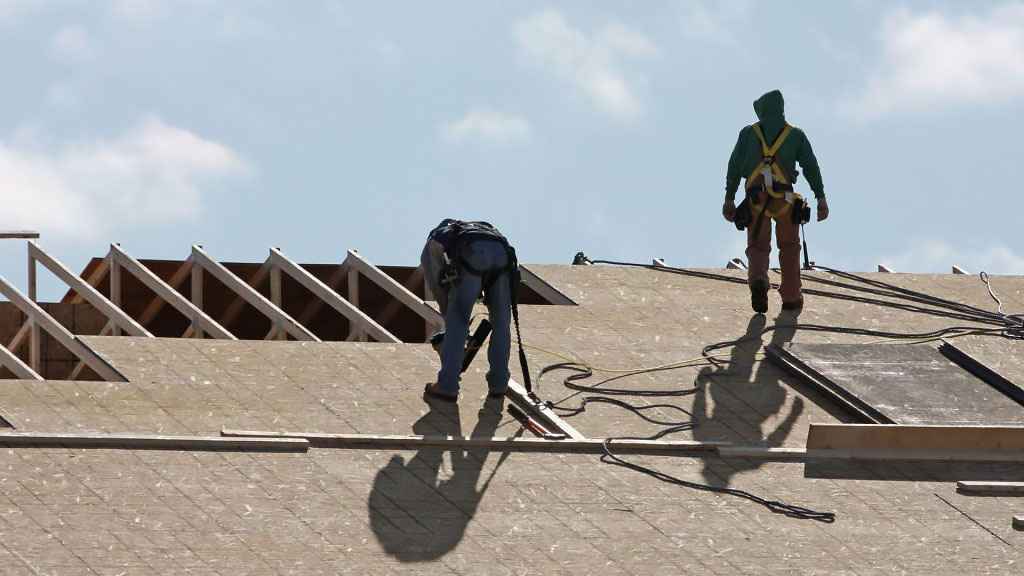
Another overlooked area is installation quality. The best durable roofing materials for high winds can still fail if a contractor uses too few fasteners, skips proper starter strips, or ignores manufacturer specifications. Many manufacturer warranties for high wind coverage are voided when installation falls outside their documented requirements, leaving homeowners unprotected after storm damage.
When hiring a roofing contractor, asking directly about fastening patterns, underlayment requirements, and warranty compliance is a reasonable expectation. Contractors who cannot clearly answer those questions are worth reconsidering. Sealed roof edges, correct nail placement, and proper ridge cap installation are details that separate a roof built to handle extreme weather from one that simply looks the part. These specifics carry significant weight when high wind roofing options are being evaluated seriously.
Making the Right Roofing Decision for Long-Term Protection
Choosing the best wind-resistant roofing materials comes down to three core considerations: how a material performs under verified testing conditions, whether it suits the local climate, and how well it holds up over time with proper installation. Metal roofing, concrete and clay tile, and impact resistant roofing shingles each offer meaningful protection when matched correctly to a home’s needs. High wind roofing options are not one-size-fits-all, and understanding the distinctions between them leads to decisions that hold up long after the purchase is made.
Wind ratings, climate compatibility, and contractor quality all factor into how well durable roofing materials for high winds actually perform. The best roofing for extreme weather is rarely just about the material — it reflects the full combination of product selection, proper installation, and informed decision-making.
For homeowners in the Phoenix area, consulting a qualified local roofing contractor is the most reliable next step. A professional familiar with regional wind patterns, monsoon conditions, and heat exposure can assess the current roof and provide guidance specific to the home’s structure and risk level. That kind of localized expertise makes a measurable difference in the long-term outcome.
“`
Discover the Best Wind-Resistant Roofing Materials with TSM Roofing
Choosing the right roofing material is crucial, especially in areas like Phoenix, AZ, where high winds can cause significant damage. At TSM Roofing, we understand the challenges that come with selecting the perfect wind-resistant roofing for your home. Our range of high-quality roofing materials is designed to offer superior protection against the harsh elements. Whether you’re considering metal roofing, concrete tiles, or impact-resistant shingles, we have the expertise to guide you through your options.
Don’t let the next storm compromise your home’s safety. Call TSM Roofing today at (623) 213-8267 to discuss your roofing needs and ensure your home is protected with the best materials on the market. Our team is ready to help you make an informed decision that will stand the test of time and weather.