Key Takeaways: Importance of Roof Trim
- Protect Your Home: Install specific roof trim (drip edge, rake, ridge cap) to seal vulnerable edges against water, pests, and wind, crucial for Phoenix’s climate.
- Ensure Ventilation: Maintain both fascia and vented soffit trim to ensure proper attic airflow, preventing moisture buildup, wood rot, and premature roof material failure.
- Boost Curb Appeal: Select roof trim styles and materials that complement your home’s architecture to enhance its visual appeal and increase perceived property value.
- Prevent Costly Errors: Hire a qualified contractor for precise roof trim installation, selecting materials compatible with Phoenix’s climate to avoid common mistakes.
Roof trim is one of those elements of a home that often goes unnoticed — until something goes wrong. Positioned along the edges, peaks, and overhangs of a roof, trim components like fascia, soffit, and edge trim do far more than finish off the look of a roofline. They form a critical barrier that protects the underlying structure from moisture, pests, and the kind of weather damage that can quietly compromise a home over time.
In the Phoenix, AZ area, the climate brings its own set of challenges. Intense heat, monsoon-season moisture, and high winds put constant stress on every part of a roofing system. Properly installed and maintained roof trim helps manage that stress by sealing vulnerable edges and directing water away from areas where it can cause the most damage. Beyond structural protection, the right roof trim types and styles can significantly boost a home’s curb appeal. Understanding the full importance of roof trim — from installation to long-term maintenance — is the first step toward making informed decisions about one of a home’s most valuable protective systems.
The Hidden Work Roof Trim Does to Protect Your Home
Most people think of roof trim as a finishing detail, but it carries a significant protective role that works quietly in the background. Along the edges of a roofline, there are several vulnerable points where water, pests, and wind-driven debris can find their way into a home’s structure. Roof trim seals those points off, acting as a first line of defense before damage has a chance to take hold.
Roof fascia and soffit trim close off the gap between the roofline and the exterior wall, blocking moisture and pests from accessing the eaves and attic space. Roof edge trim directs water away from the deck and into the gutter system, preventing pooling and seepage that can rot wood sheathing over time. Without these components in place, water intrusion along roof edges can lead to mold growth, weakened framing, and compromised insulation — all of which are costly to repair.
The importance of roof trim becomes especially clear when any piece is missing, cracked, or improperly installed. Even a small gap in trim coverage can allow repeated moisture exposure to quietly work its way into a structure over months or years before visible signs appear.
A Look at the Most Common Roof Trim Types and Where They Belong
Not all roof trim serves the same purpose, and each type is designed for a specific area of the roof. Understanding the differences between roof trim types and styles helps clarify why proper selection matters as much as proper installation.
Drip edge is installed along the eaves and rakes of a roof, guiding water away from the fascia and into the gutter system. It prevents moisture from wicking back under the roofing material, which is one of the more common sources of hidden water damage. Rake trim runs along the sloped edges of a gabled roof, sealing the edge where shingles meet the roofline and providing a clean, finished border that also resists wind uplift. Ridge cap trim covers the peak where two roof slopes meet, protecting what is arguably the most exposed seam on the entire roof surface.
Each of these components works within a specific zone, and using the correct trim type in each location is what creates a complete, well-protected roofing system. When trim types are mismatched or omitted from certain areas, gaps in coverage can develop that compromise both function and appearance. The right combination of trim components ensures every edge, slope, and peak is properly addressed.
How Fascia and Soffit Trim Work Together as a System
Fascia and soffit trim are two distinct components, but they function as a connected system that protects the roof structure from the outside in. Fascia is the vertical board that runs along the lower edge of the roofline, sitting just behind the gutters. Soffit is the material that spans the underside of the roof overhang, bridging the gap between the fascia and the exterior wall of the home.
Together, roof fascia and soffit trim seal off the eaves while allowing the attic space to breathe. Vented soffit panels draw fresh air into the attic, which works alongside ridge vents to create airflow that reduces heat buildup and moisture accumulation. This ventilation is critical for preserving the roof deck, insulation, and framing above.
When either component is neglected, the consequences can be significant. Damaged fascia allows moisture to reach the rafter ends and roof deck, accelerating wood rot. Deteriorated soffit can invite pest intrusion and cut off necessary attic ventilation, leading to trapped heat and humidity that shortens the lifespan of roofing materials. Proper roof trim maintenance on both components keeps this protective system intact and functioning as intended.
How Roof Trim Shapes the Curb Appeal of Your Home
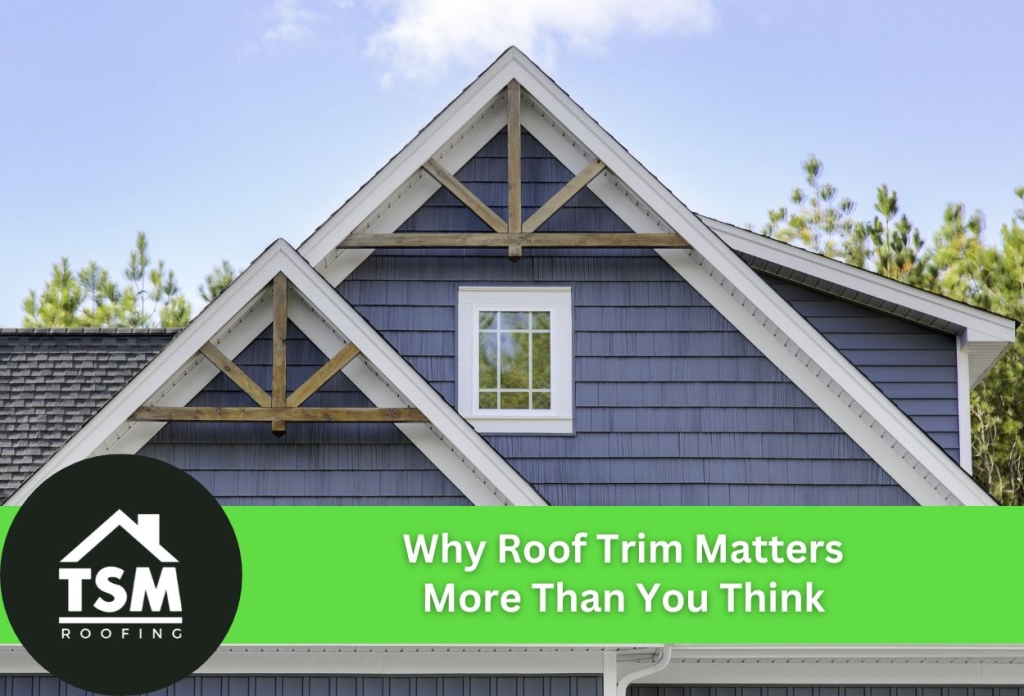
While the protective qualities of roof trim are well established, its visual impact on a home’s exterior is equally significant. Decorative roof trim plays a direct role in defining the architectural character of a home, framing the roofline in a way that ties the entire exterior together. Clean, well-maintained trim gives a home a finished, intentional look that stands out for the right reasons.
The relationship between trim style and roofline design matters more than most homeowners realize. Trim that complements the pitch, shape, and material of a roof creates a sense of visual cohesion. In contrast, mismatched or deteriorating trim can make even a well-maintained roof look neglected. The decorative benefits of roof trim extend to material choices as well — wood, vinyl, and metal options each carry a distinct appearance that can reinforce or clash with a home’s overall design.
Beyond aesthetics, the condition and style of roof trim contribute to a home’s perceived value. Buyers and appraisers notice exterior details, and trim that looks sharp signals that the home has been properly cared for. Selecting trim styles and materials thoughtfully is a practical investment that pays off in both appearance and long-term value.
Getting Roof Edge Trim Installation Right the First Time
Even the highest quality roof trim materials will underperform if the installation is handled incorrectly. Proper roof edge trim installation starts with material selection — choosing trim that is compatible with the roofing system, climate conditions, and the specific area of application. In the Phoenix area, materials need to hold up against prolonged heat exposure and seasonal storm conditions, which narrows the field to options that can handle thermal expansion without warping or pulling away from fastening points.
Fastening technique is where many installations fall short. Trim that is nailed too close to edges can split over time, while fasteners spaced too far apart leave sections vulnerable to wind uplift. Overlapping joints need to be sealed correctly to prevent water infiltration at the seams.
Common installation mistakes — like improper drip edge positioning, skipped underlayment overlap, or trim nailed directly over gaps in the decking — can quietly undermine the entire roofing system. A qualified roofing contractor identifies these problem areas before they become expensive repairs. Experience with roof edge trim installation means knowing not just where each component goes, but how each piece interacts with the materials around it to create a fully integrated, weatherproof roofline.
Keeping Your Roof Trim in Peak Condition Year Round
Roof trim maintenance is one of the more straightforward ways homeowners can protect a significant investment. Routine inspections — ideally twice a year and after major storms — allow small issues to be caught before they develop into larger structural problems. During an inspection, attention should go to any visible cracks, peeling paint, warping, or sections that appear to be pulling away from the roofline. These are early warning signs that trim is beginning to fail.
Keeping gutters clear also directly affects trim health. Clogged gutters cause water to back up against fascia boards, accelerating deterioration. Cleaning debris from soffit vents ensures airflow remains unobstructed through the eave system. For trim surfaces exposed to the elements, periodic cleaning removes dirt and biological growth that can hold moisture against the material.
Warning signs that roof trim may need repair or replacement include soft spots in fascia boards, discoloration around soffit panels, visible gaps along the roofline edge, and rust streaking from metal trim components. Addressing these promptly matters because deteriorating trim exposes adjacent roofing materials to the same moisture and pest intrusion the trim was designed to prevent. Delaying repairs on even one failing section can draw damage deeper into the roof structure over time.
Protect Your Home with Professional Roof Trim Services from TSM Roofing
Understanding the importance of roof trim is essential for any homeowner, especially given the harsh weather conditions in Phoenix, AZ. Roof trim is not just a decorative aspect of your home; it serves crucial protective functions, from preventing water intrusion to enhancing structural integrity. TSM Roofing specializes in the installation, repair, and maintenance of all types of roof trim, ensuring your home remains safe and visually appealing.
Whether you need drip edge, rake trim, or fascia and soffit systems, our expert team at TSM Roofing is equipped to provide top-notch service tailored to your home’s specific needs. Don’t overlook the vital role roof trim plays in protecting your investment. Call TSM Roofing today at (623) 213-8267 to ensure your roof trim is in peak condition year-round.