
Tile Roof Installation in Anthem, AZ
Anthem sits in the northern reaches of the Phoenix metro, where summer temperatures regularly push into the triple digits and monsoon season rolls in with heavy winds and sudden downpours. That kind of weather puts a real strain on any roof, and tile handles it better than most materials. The intense UV exposure alone can break down underlayment over time, and when that happens, what starts as a minor issue can quietly work its way into the structure of your home before you ever notice a leak. Many Anthem homes were built in the last 2 to 3 decades, which means a good number of roofs in this area are reaching the point where the underlayment deserves a closer look.
A tile roof installation done right starts well before the first tile goes down. A proper structural roof inspection confirms your home can carry the weight, and underlayment selection matters just as much as the tile itself in a desert environment. TSM Roofing works with homeowners in Anthem who want a roof that performs through the heat, holds up during haboobs, and sheds water cleanly when the monsoons arrive. Concrete and clay tiles are the most common choices here for good reason. They resist temperature changes that cause other materials to crack, and they hold their structural integrity under years of direct sun exposure without breaking down the way lighter options can.
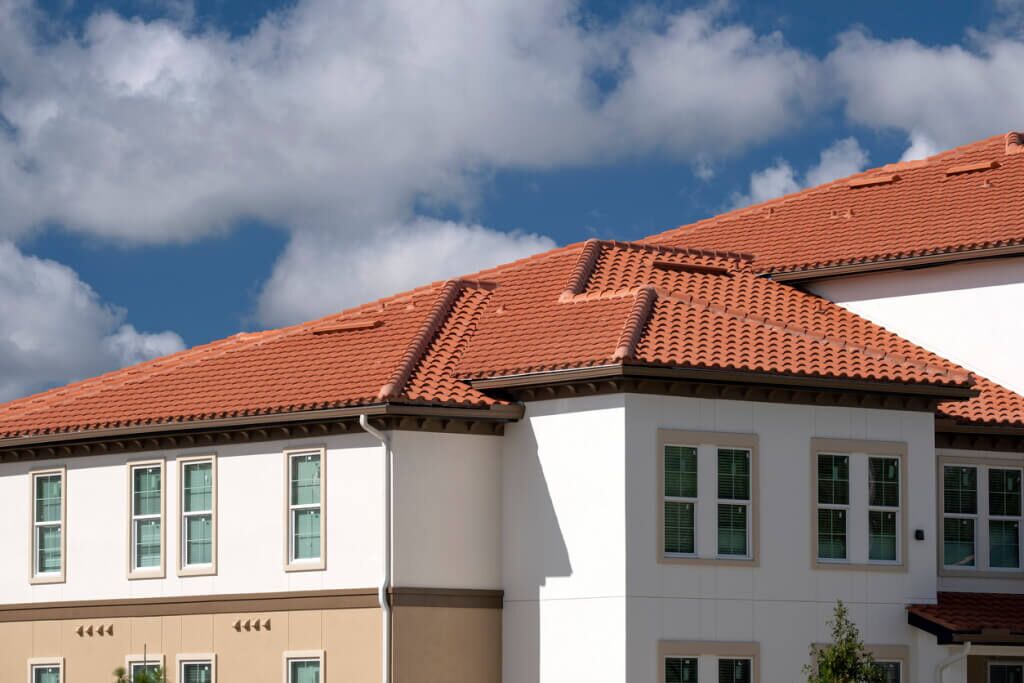


How Tile Roof Installation Works in Anthem, AZ
Knowing what to expect before work begins makes the whole process easier to navigate. Here is exactly how TSM Roofing approaches tile roof installation from the first call to the final walkthrough.
- Step 1: Existing Condition Inspection
We start by evaluating your current roofing system to understand structural and material conditions before any removal begins. This includes reviewing tile condition, underlayment performance, the roof deck’s structural integrity, flashing details, and weight-bearing capacity. If reinforcement is required to support a new tile system, it is identified at this stage so it can be accounted for in the installation plan. - Step 2: Honest Recommendation
Once the inspection is complete, we explain what the roof can realistically support and what approach makes sense. If repairs are sufficient to extend service life, that option is presented clearly. A full installation is recommended only when the existing system no longer provides a reliable base for long-term performance. - Step 3: Options, Specifications, and Detailed Quote
We review available tile systems, including concrete, clay, and composite options, and explain how each performs under desert heat, monsoon conditions, and long-term exposure. You receive a detailed scale of work outlining materials, installation requirements, and pricing, so the full project is defined before scheduling. - Step 4: Professional Installation
The existing roofing system is removed, and the roof deck is inspected for any structural issues before underlayment is installed. Tile placement is completed with attention to alignment, fastening patterns, and flashing integration. Ventilation beneath the system is set to support heat management and long-term performance. - Step 5: Quality Assurance and Final Walkthrough
Once installation is complete, the finished roof is reviewed for proper alignment, flashing performance, and overall installation consistency. A walkthrough is conducted with you to confirm the completed work and outline any standard maintenance considerations moving forward.
Tile Options for Your Home in Anthem, AZ
Choosing the right tile type shapes how your roof performs for decades. Anthem’s intense heat, abrasive dust storms, and monsoon-driven rain all factor into which material makes the most sense for your home and its architectural style.
| Tile Type | Best For | Anthem Performance Notes |
|---|---|---|
| Concrete Tile | Modern and Spanish-style homes | Handles daily temperature changes well; holds up under repeated UV exposure without significant surface breakdown |
| Clay Tile | Classic Spanish and Mediterranean designs | Natural thermal resistance makes it a strong fit for desert heat; the signature red finish holds color over time under direct sun |
| Composite Tile | Homeowners prioritizing eco-friendly materials | Lightweight option that still meets the durability requires of desert weather conditions: good resistance to wind-driven debris |
| Flat Tile | Contemporary low-slope residential designs | Requires a tailored installation to shed water cleanly during brief but heavy monsoon downpours common in the area |
Flat tile designs found in some Anthem neighborhoods call for a different installation approach than barrel or high-profile tiles, so the configuration of your roof matters as much as the material itself. Each option has real trade-offs worth understanding before you commit, and the right choice depends on your home’s structure, your style preferences, and how the roof sits relative to prevailing wind and sun exposure.
Underlayment Rated for Desert Conditions
The tile on your roof gets most of the attention, but the underlayment beneath it is what keeps water out when a monsoon rolls through. In Anthem’s heat and UV exposure, standard underlayment degrades faster than it would in milder climates, so selecting the right product for desert conditions is a detail that directly affects how long your roof stays leak-free.
Flashing and Gap Sealing
Every vent, pipe, and roof gap is a potential entry point for water during heavy rain or wind-driven debris. Proper flashing installation around these areas is part of every tile roof job we complete, because skipping the details here is where leaks tend to start in Anthem homes years after installation.
Fastening Specifications for High-Winds
Anthem’s monsoon season brings gusts strong enough to lift inadequately secured tiles, and local building codes reflect that reality. Each tile is fastened to meet wind-resistance requirements specific to this area, which matters most during the haboobs and storm cells that move through the region each summer.
Attic Ventilation Calibration
A tile roofing system performs better when the ventilation beneath it is set up correctly for your specific home. Proper airflow under the tile reduces the heat that builds in your attic during triple-digit afternoons, which protects both the roof assembly and the interior of your home over the long term.

Trusted Expertise for Every Roofing Project


Get Your Tile Roof Installation Done Right in Anthem, AZ
Anthem’s heat, UV intensity, and monsoon activity make roofing material choices matter more here than in most places. A properly installed tile roof protects your home through decades of that kind of weather without requiring constant attention or surprise repairs. Concrete, clay, and composite tiles each hold up well under desert conditions when the installation underneath them is done correctly, and that foundation is what determines how your roof actually performs over time.
If you are ready to move forward or simply want to talk through your options, TSM Roofing serves homeowners throughout the Anthem, AZ area and is happy to take a look at your home and give you a straight answer about what makes sense. Reach out when you are ready, and we will take it from there.
Frequently Asked Questions
Does my home need a structural inspection before new tile goes on, and what happens if it doesn't pass? chevron_right
Tile is significantly heavier than asphalt shingles, and some Anthem homes built in the 1990s and early 2000s were originally designed for lighter roofing materials. A structural inspection before installation confirms whether your framing and roof decking can carry the weight. If reinforcement is needed, that work gets done before installation begins, so the finished roof performs the way it should without putting stress on your home’s structure over time.
How does the monsoon season affect tile roofs differently from regular rainstorms? chevron_right
Monsoons in Anthem are short and intense, which means water hits your roof fast and in high volume rather than soaking in gradually. The bigger concern isn’t usually the tile itself but how well the underlayment and flashings handle that sudden surge of water combined with wind-driven debris. Tiles that have shifted even slightly from thermal expansion or foot traffic can expose underlayment to those conditions, which is why catching small issues before monsoon season is worth the effort.
Why do tiles crack on roofs that seem otherwise fine, and is that a sign the whole roof needs replacing? chevron_right
In Anthem’s heat, tiles expand and contract every single day as temperatures swing between morning and afternoon. Over the years, that repeated movement causes individual tiles to crack, especially on older installations where the tiles have gone through thousands of those cycles. Cracked tiles don’t automatically mean the whole roof is failing. If the underlayment beneath them is still in good condition, targeted tile replacement can address the damage without requiring a full installation.
Your Arizona Roofing Partner Since 2016
Why Choose Us As Your Partner For Roofing & Exterior Projects?
When it comes to protecting your property, experience matters. TSM Roofing LLC delivers exceptional roofing solutions throughout Phoenix, Prescott, and surrounding communities with local expertise you can trust. Our certified specialists excel in both residential and commercial projects, from repairs and maintenance to complete replacements. We use only premium materials designed to withstand Arizona’s harsh climate, and we back every job with transparent pricing and outstanding customer service. Choose TSM Roofing LLC and discover why so many Arizona property owners trust us to protect what matters most.
- explore_nearby
Locally Owned & Operated
- build_circle
Certified Specialists
- cottage
Quality Materials Only
- handshake
Transparent, Honest Service
- orbit
Complete Roofing Solutions
Easy Financing
Monthly payment options from our trusted financing partners!
Your Dream Home Is Within Reach — Finance It Today!
- Budget-Friendly Solutions
- No High Upfront Costs
- Quick Approval Process
- Flexible Payment Terms
- Protect Home Value


