
Wind Damage Roof Replacement in Glendale, AZ
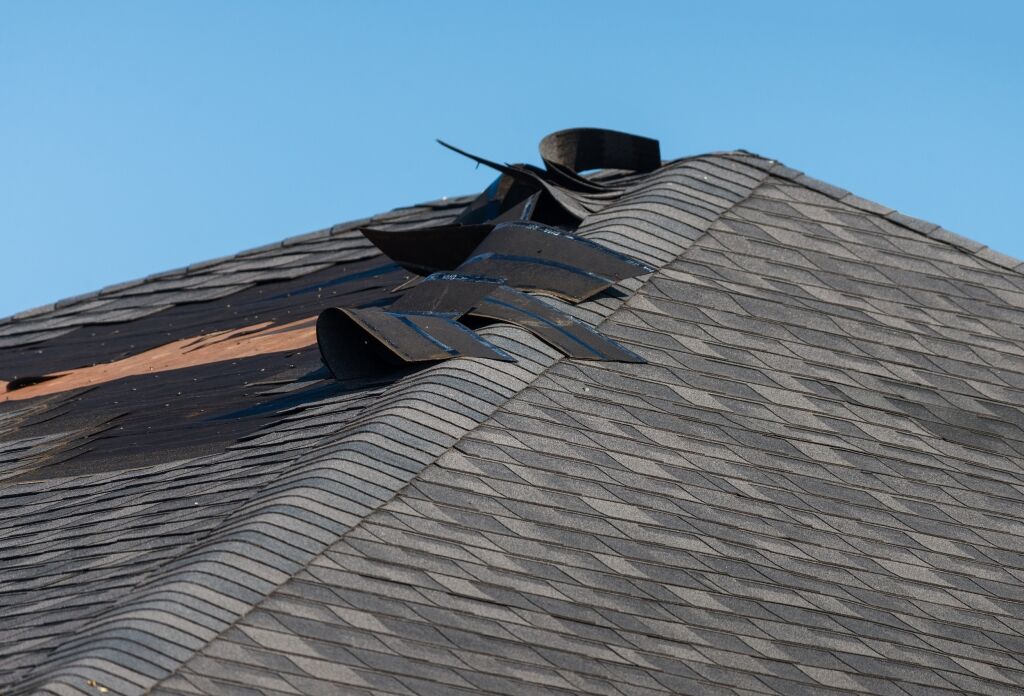
Glendale sits in the heart of the Valley, where summer heat bakes roofing materials for months on end and monsoon season rolls in with strong winds, blowing dust, and sudden downpours. That combination is hard on any roof. The intense sun and UV exposure gradually make shingles, sealants, and underlayment brittle over time, so when the wind picks up, materials that might have held up years ago simply give out. You may not even notice the damage right away. Wind uplift and debris impact can leave behind gaps and cracks that only show up later as water stains on your ceiling or leaks appearing after the next storm.
Wind damage here does not always look like a dramatic missing shingle. On the flat and low-slope roofs common across Glendale neighborhoods, it can show up as lifted edges, failed seams, or compromised flashing near parapet walls and roof gaps. Granules collecting in your gutters, curling shingles, or cracked tile are all signs worth taking seriously before the next storm adds to the problem. Left alone, what starts as minor wind damage can work its way deeper into the roof deck and into your home.
TSM Roofing LLC works with Glendale homeowners who need a straight answer about whether a repair will hold or whether a full replacement is the right call. That honest guidance matters, especially in a market where roofing contractors are everywhere and the right advice is not always easy to come by.


How Wind Damage Roof Replacement Works in Glendale, AZ
The condition of a roof after wind damage can be very different from what is visible from the ground. TSM Roofing LLC evaluates the damaged areas, the existing materials, and the underlying components before determining what the property actually needs.
- Step 1: Examine the Roof in Detail
The inspection covers shingles or membrane, flashing, seams, roof edges, underlayment, and other areas affected by wind. On flat and low-slope sections, we also examine parapet walls, transitions, and gaps for less obvious damage. Heat and UV exposure are considered as part of the overall condition rather than treating the storm damage in isolation. - Step 2: Determine the Appropriate Remedy
We use the inspection findings to determine whether the roof can be restored through targeted repairs or whether replacement is justified. If the existing materials remain serviceable, we explain how repairs can address the damage. When deterioration or extensive damage makes replacement more appropriate, we explain the reasons behind that recommendation. - Step 3: Establish Materials and Project Requirements
For a replacement, we review the roofing materials and components that fit the property and local conditions. Glendale's heat, intense sunlight, wind, and monsoon weather all factor into the selection. The project quote identifies the planned work and materials, giving you the details needed before installation is scheduled. - Step 4: Complete the Replacement Work
The damaged roofing is removed so the underlying roof deck can be examined before new materials are installed. Any necessary preparation is completed first, followed by installation of the new roofing, flashing, edges, and seams. These transition points receive particular attention because they play an important role in keeping the completed roof secure. - Step 5: Inspect and Review the Completed Roof
After installation, we examine the finished roof for proper completion across the areas addressed during the project. We then review the work with you, explaining what was replaced and noting any areas that required additional attention. You leave with a clear understanding of what was done and the condition of the finished roof.
Wind Damage Signs & Roof Types in Glendale, AZ
Not all wind damage looks the same, and in Glendale that's especially true because the mix of roof styles across the area means problems show up in different ways. Knowing what to look for on your specific roof type can help you catch issues before a future storm makes them worse.
| Roof Type | Common Wind Damage Signs | What Often Gets Missed |
|---|---|---|
| Asphalt shingles | Curling edges, missing shingles, granules in gutters | Brittle cracking from UV aging exposed by wind uplift |
| Tile roofs | Cracked or displaced tiles, broken mortar at ridges | Damaged underlayment beneath tiles that look intact |
| Flat or low-slope roofs | Lifted membrane edges, failed seams | Compromised flashing at parapet walls and gaps |
One thing worth knowing in this market is that wind often exposes damage that heat and sun already started. Years of intense UV exposure dry out sealants and underlayment well before wind ever touches them. That's why a wind replacement project here sometimes reveals broader age-related wear beneath the surface, not just the section that took a direct hit. Getting a complete roof inspection before monsoon season arrives is a reasonable step for any homeowner in the Glendale area who hasn't had eyes on their roof recently.
Roof Deck & Underlayment Repair
When we pull off the old roofing, we inspect the roof deck beneath it for soft spots, rot, or structural damage that wind and water may have become worse over time. Any compromised roof decking gets repaired or replaced before new materials go down, so your new roof is built on a solid foundation from the start.
Flashing Replacement at Vulnerable Transition Points
Wind damage frequently compromises the metal flashing around chimneys, vents, skylights, and where your roof meets a wall. We replace damaged flashing as part of the full replacement rather than leaving old, worn pieces behind, because intact flashing is what keeps water out at the spots most likely to leak.
Underlayment Suited to Desert Conditions
Your new roof includes a fresh underlayment layer selected for Glendale's heat and UV exposure, not just a generic option. This layer sits between your deck and the finished roofing material and serves as an important backup barrier if wind ever lifts or cracks the top layer during a future monsoon storm.
Edge & Drip Edge Installation
Roof edges are where wind gets its grip, making proper drip edge installation one of the most important parts of a wind-resistant replacement. We install or replace drip edge along the perimeter of your roof to protect the roof deck’s edge, direct water cleanly into your gutters, and reduce the chance of wind uplift starting at the roofline again.

Trusted Expertise for Every Roofing Project


Replace Your Wind-Damaged Roof in Glendale, AZ
Glendale's weather patterns do not let up. Between the months of heat that dry out roofing materials and the monsoon winds that arrive each year and test whatever is left, your roof is under more stress than most people realize. A full wind damage replacement gives your home a properly installed roof built to handle those conditions from the ground up, protecting your property and helping you avoid the kind of repairs that come from letting smaller problems go unaddressed.
If you have noticed any signs of wind damage or simply want a professional set of eyes on your roof before the next storm season, TSM Roofing LLC is ready to help. Reach out when you are ready, and we will take it from there.
Frequently Asked Questions
Why does my roof sometimes show no leaks right after a windstorm but then start leaking weeks later? chevron_right
This is one of the more frustrating patterns Glendale homeowners run into after monsoon storms. Wind uplift can break the seal between shingles or compromise flashing without creating an obvious opening right away. It often takes a follow-up rainstorm or continued heat exposure to push moisture through those weakened spots, which is why damage seems to appear out of nowhere long after the storm has passed.
Does the dust and grit carried by Glendale's monsoon winds actually matter for roof damage? chevron_right
It does, more than most people expect. Wind-blown dust and grit act like a slow abrasive across your roof surface, wearing down granule coverage on asphalt shingles and clogging drainage paths that are meant to move water off the roof quickly. Over several storm seasons, that buildup can make it harder to spot new damage from the ground and speeds up the overall wear on materials that are already dealing with intense heat and sun exposure.
If only part of my roof took the hit, why might a full replacement still make more sense than patching that section? chevron_right
In Glendale's climate, roofing materials age at a faster rate than in cooler regions because of prolonged sun, UV exposure, and temperature swings between hot days and cooler nights. When wind pulls back a section of your roof, what we often find underneath is underlayment and roof decking that have been quietly deteriorating across the entire surface. Patching the visible area can leave the rest of your roof one storm away from the same failure, and mismatched materials between old and new sections rarely perform as a consistent system over time.
Your Arizona Roofing Partner Since 2016
Why Choose Us As Your Partner For Roofing & Exterior Projects?
When it comes to protecting your property, experience matters. TSM Roofing LLC delivers exceptional roofing solutions throughout Phoenix, Prescott, and surrounding communities with local expertise you can trust. Our certified specialists excel in both residential and commercial projects, from repairs and maintenance to complete replacements. We use only premium materials designed to withstand Arizona’s harsh climate, and we back every job with transparent pricing and outstanding customer service. Choose TSM Roofing LLC and discover why so many Arizona property owners trust us to protect what matters most.
- explore_nearby
Locally Owned & Operated
- build_circle
Certified Specialists
- cottage
Quality Materials Only
- handshake
Transparent, Honest Service
- orbit
Complete Roofing Solutions
Easy Financing
Monthly payment options from our trusted financing partners!
Your Dream Home Is Within Reach — Finance It Today!
- Budget-Friendly Solutions
- No High Upfront Costs
- Quick Approval Process
- Flexible Payment Terms
- Protect Home Value


