
Residential Roof Inspection in Prescott Valley, AZ
Prescott Valley puts roofs through a real workout. Summer brings intense sun and dry air that quietly break down shingles, sealants, and underlayment over time. Then July and August arrive with monsoon storms that can dump heavy rain in a matter of hours, turning a small worn seal or lifted shingle into an active leak before most homeowners even realize there’s a problem. Add in winter temperatures that dip below freezing, and the repeated temperature changes throughout the year can widen small gaps and stress the parts of your roof that are already showing their age. Many homes here were built in the 1980s, 1990s, and early 2000s, which means a lot of roofs in the area are carrying years of UV wear, dry-air deterioration, and seasonal movement that adds up quietly between storms.
A professional residential roof inspection gives you a clear picture of where your roof stands before the next monsoon hits or winter sets in. TSM Roofing LLC works with Prescott Valley homeowners to identify worn flashing, cracked sealants, damaged shingles, and drainage issues around vents, skylights, chimneys, and valleys. These are the spots most likely to fail when conditions get tough, and catching them early means a repair stays a repair rather than turning into something much larger and more expensive. Whether your roof is 5 years old or pushing 30, knowing its condition is one of the most practical steps you can take to protect your home and your investment.
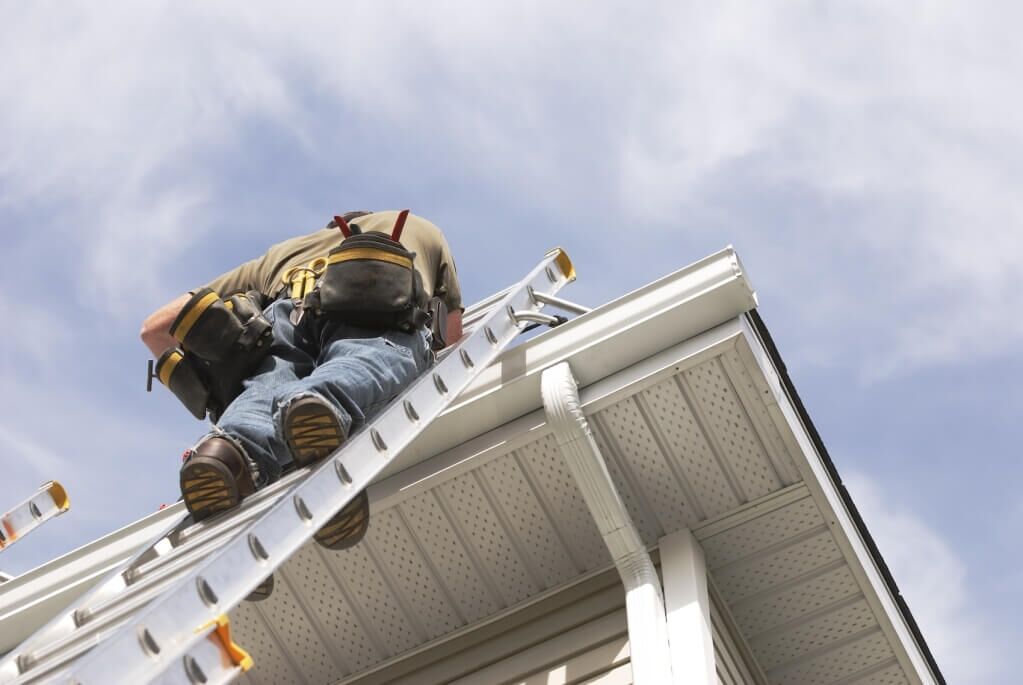


How Our Roof Inspection Process Works in Prescott Valley, AZ
A roof inspection should give you a clear understanding of your roof’s current condition and any work that may be needed. TSM Roofing LLC uses a structured inspection process to document the findings and explain what they mean for your home.
- Step 1: Schedule the Inspection and Confirm Access
We arrange an inspection time that works with your schedule and gather basic information about the roof beforehand. If you have noticed leaks, missing shingles, or other concerns, we discuss those areas before arriving so they receive appropriate attention during the inspection. - Step 2: Examine the Roof and Key Components
We inspect the shingles, underlayment where accessible, flashing, sealants, vents, skylights, chimneys, valleys, and drainage paths. Prescott Valley’s intense UV exposure, dry conditions, and temperature swings can contribute to gradual deterioration, so older and more exposed areas receive particular attention. - Step 3: Document the Condition
Findings are recorded with photographs and notes that identify specific areas of concern. This documentation provides a useful reference for understanding which portions of the roof show damage or wear and which remain in satisfactory condition. - Step 4: Explain the Findings and Recommendations
After the inspection, we review the condition of the roof with you in straightforward language. When repairs are necessary, we explain what needs attention and why. If the roof does not currently require work, we tell you that rather than recommending unnecessary repairs. - Step 5: Establish the Appropriate Next Steps
If repairs are warranted, we explain what the work would involve and what you can expect from the process. When no immediate work is necessary, we can discuss what conditions to monitor and when another inspection would make sense based on the roof’s age and condition.
Best Times for Roof Inspections in Prescott Valley, AZ
Timing your roof inspection around Prescott Valley’s weather patterns can make a real difference in what gets caught and when. The two periods that matter most are just before monsoon season kicks in and again after it wraps up, since July and August tend to deliver the bulk of the year’s rainfall in a short window. A pre-winter inspection is also worth scheduling, particularly for older roofs where small gaps and worn seals can become bigger problems once temperatures drop.
| Inspection Timing | Primary Focus | Why It Matters |
|---|---|---|
| Late spring (before monsoon) | Flashing, sealants, shingles | Identifies weak spots before heavy summer rain arrives |
| Early fall (after monsoon) | Storm damage, drainage paths, valleys | Catches issues exposed by summer storms before winter |
| Before winter | Vents, gaps, drainage | Reduces risk of meltwater backup and refreeze damage |
| After severe wind or hail | Shingles, flashing, gutters | Confirms whether storm impact caused damage |
For homes built in the 1980s, 1990s, or early 2000s, sticking to a regular inspection schedule is especially useful. UV wear and dry-air deterioration tend to move quietly, and getting ahead of that wear before a storm arrives keeps small repairs from turning into large ones.
Roof Gap & Flashing Condition Check
Vents, chimneys, and skylights are the spots most likely to develop leaks as sealants dry out under Prescott Valley’s intense sun and dry air. We inspect the flashing and seals around every gap on your roof to spot cracking, separation, or lifting before water finds its way in during a monsoon burst.
Shingle & Underlayment Wear Review
Years of UV exposure and temperature changes can break down shingles and underlayment well before they show obvious damage from the ground. We look closely at granule loss, curling edges, brittle spots, and underlayment condition, since these are the signs that tend to show up on aging roofs in the high desert before a bigger problem develops.
Valley & Drainage Path Inspection
Roof valleys and drainage paths are high-traffic zones for water, and debris buildup or worn materials in these areas can cause water to back up and work under your roof during heavy rain. We check that these paths are clear and that the materials directing water off your roof are still holding up the way they should.
Written Condition Report for Your Records
After your inspection, you receive a written summary of your roof’s condition that you can keep on file for future reference, contractor conversations, or home sale documentation. For homeowners with older roofs, having a dated record of what was inspected and what was found is a practical way to track your roof’s condition over time.

Trusted Expertise for Every Roofing Project


Schedule Your Residential Roof Inspection in Prescott Valley, AZ
Prescott Valley’s mix of intense sun, dry air, and summer storms does not announce when it has worn down a seal or lifted a shingle. Many homes in the area are carrying roofs that are 20 or 30 years old, and that kind of age combined with the local weather conditions means wear tends to build slowly and quietly until a hard rain makes it obvious. A roof inspection gives you that picture now, while your options are still straightforward and repairs stay manageable.
TSM Roofing LLC is here to help you understand exactly where your roof stands, whether you are coming up on monsoon season, heading into winter, or just overdue for a look. Reach out when you are ready, and we will get you scheduled.
Frequently Asked Questions
Does low annual rainfall mean my roof is less likely to have leak problems in Prescott Valley? chevron_right
Not exactly. Prescott Valley receives less annual rainfall than many parts of Arizona, but most of it arrives in short, intense bursts during July and August. That concentrated pressure is actually harder on roofs than steady, moderate rain because it hits worn seals and small gaps all at once, leaving little time for water to drain away. A roof that looks fine through months of dry weather can develop an active leak within the first heavy monsoon storm of the season.
My roof is only about 15 years old. Do I really need an inspection if nothing looks wrong from the ground? chevron_right
At 15 years in a high-desert environment, your roof has already absorbed a significant amount of UV exposure and gone through hundreds of temperature swings between cool nights and hot afternoons. By that point, the sealants around vents, skylights, and flashing are often starting to dry out and crack, even if the shingles still look reasonable from the street. An inspection at that stage is less about visible damage and more about finding the quiet wear that tends to show up around gaps and drainage areas before it turns into something bigger.
What happens to roof sealants and caulking specifically in Prescott Valley's dry conditions? chevron_right
Dry air and intense sun are hard on flexible materials like caulk and roofing sealants because they pull moisture out of those materials faster than in more humid climates, causing them to shrink, crack, and lose their bond over time. Around chimneys, skylights, and pipe vents, this kind of seal failure can open up gaps that are too small to notice during a dry stretch but wide enough to let water in during a heavy storm. Inspecting these spots regularly is one of the most practical things a Prescott Valley homeowner can do, since sealant repairs are straightforward when caught early and far more involved once water has already worked its way under the surface.
Your Arizona Roofing Partner Since 2016
Why Choose Us As Your Partner For Roofing & Exterior Projects?
When it comes to protecting your property, experience matters. TSM Roofing LLC delivers exceptional roofing solutions throughout Phoenix, Prescott, and surrounding communities with local expertise you can trust. Our certified specialists excel in both residential and commercial projects, from repairs and maintenance to complete replacements. We use only premium materials designed to withstand Arizona’s harsh climate, and we back every job with transparent pricing and outstanding customer service. Choose TSM Roofing LLC and discover why so many Arizona property owners trust us to protect what matters most.
- explore_nearby
Locally Owned & Operated
- build_circle
Certified Specialists
- cottage
Quality Materials Only
- handshake
Transparent, Honest Service
- orbit
Complete Roofing Solutions
Easy Financing
Monthly payment options from our trusted financing partners!
Your Dream Home Is Within Reach — Finance It Today!
- Budget-Friendly Solutions
- No High Upfront Costs
- Quick Approval Process
- Flexible Payment Terms
- Protect Home Value


