
Storm Damage Roof Repair in Tempe, AZ
Tempe sits in the heart of the Sonoran Desert, and while the dry climate might suggest calm weather year after year, monsoon season tells a different story. From late summer into early fall, storms roll through the Phoenix metro with strong winds, wind-driven rain, and occasional hail that can shift tiles, lift shingle edges, crack ridge materials, and compromise flashing in ways that aren't always obvious from the ground. The desert heat doesn't help either. Intense UV exposure and sharp day-to-night temperature changes break down sealants faster here than in cooler regions, meaning even minor storm damage can open the door to leaks much sooner than homeowners expect.
After a storm passes, what looks like a small problem on the surface can quietly grow into something far more serious underneath. Water that gets beneath a cracked tile or lifted shingle doesn't stay put; it works its way into the underlayment, the roof decking, and eventually your home's interior. Catching that damage early is what separates a straightforward repair from a much larger project.
TSM Roofing LLC works with Tempe homeowners to inspect storm damage thoroughly, identify both visible and hidden failures, and complete repairs that hold up against the next storm. Whether your roof is tile, asphalt shingle, or flat, the approach stays the same: find what the storm actually did, and fix it correctly.
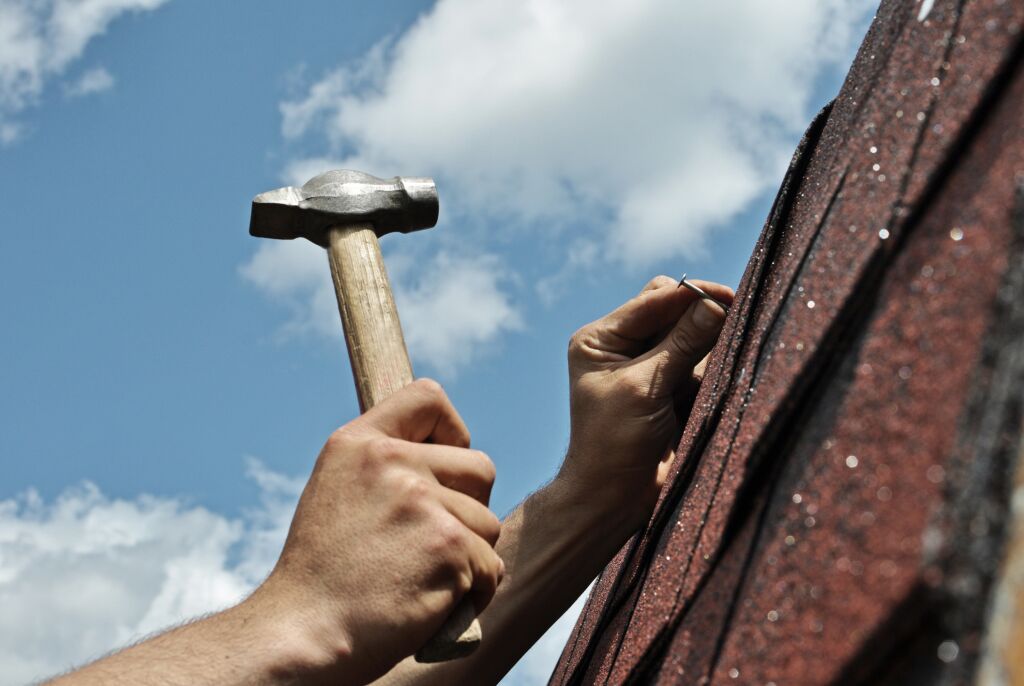


How Storm Damage Roof Repair Works in Tempe, AZ
Every storm repair follows a defined sequence, and understanding each phase helps eliminate uncertainty before the work begins. Here's how TSM Roofing LLC approaches the process from start to finish.
- Step 1: Complete Storm Damage Assessment
The first stage involves a detailed evaluation of the roofing system after storm activity. Tiles, shingles, flashing, ridge lines, vents, gutters, and skylights are all examined, and interior areas such as the attic and ceiling are checked for visible signs of staining or moisture when accessible. Because storm damage can extend beyond what is immediately visible, the entire roofing system is considered before determining the next steps. - Step 2: Inspection Results and Repair Direction
After the assessment is finished, the inspection findings are reviewed in clear, straightforward language. The damaged areas, their likely cause, and the available repair options are explained so you understand the roof's condition. When the damage is confined to a specific section, the recommended work is limited to that area rather than expanding beyond what the inspection supports. - Step 3: Written Repair Proposal
A detailed written estimate is prepared outlining the repairs, materials, and work involved before the project begins. The proposal explains exactly what is included, so there is a clear understanding of the planned repairs before any work is scheduled. - Step 4: System-Appropriate Roof Repairs
The repair work is completed using materials that match the existing roofing system, whether the roof is tile, asphalt shingle, or flat roofing. Project duration depends on the extent of the storm damage, with many repairs completed within several hours to a single day. - Step 5: Finished Work Confirmation
After the repairs are complete, the completed areas are inspected to verify that the work has been properly completed. A final walkthrough reviews the repairs that were performed, allowing you to see the finished results and understand the work completed before the project is concluded.
What Storm Damage Looks Like in Tempe, AZ
Storm damage doesn't always announce itself with a visible hole or a waterfall coming through your ceiling. In Tempe, some of the most common post-storm failures are subtle, and they tend to get worse quickly because the heat accelerates sealant breakdown and dries out already-stressed materials.
| Roof Type | Common Storm Damage Signs | Where to Check First |
|---|---|---|
| Tile Roof | Cracked, shifted, or missing tiles; hidden leaks beneath the surface | Underlayment below displaced tiles, ridge lines |
| Asphalt Shingle | Lifted edges, granule loss, punctures from debris | Flashing seams, shingle edges along eaves |
| Flat Roof | Pooling areas, seam separation, damage near drains and vents | Gaps, drainage points, and membrane seams |
Beyond the surface of the roof itself, monsoon wind uplift can loosen flashing and ridge materials without leaving obvious marks from the ground. Inside your home, brown staining on ceilings, peeling paint near exterior walls, or a faint musty smell can all point to a leak that started at the roof. Photographing any visible damage to tiles, shingles, or flashing right after a storm is also useful if you end up working through an insurance claim. Catching these signs early gives you a much better shot at a straightforward repair.
Temporary Protection Before Permanent Repairs
When storm damage leaves your roof exposed, waiting even a day or 2 for full repairs isn't always an option, especially with Tempe's unpredictable monsoon pattern. TSM Roofing LLC can apply tarping or emergency sealants to protect your home until permanent repairs are completed, limiting the damage that secondary rainstorms can cause.
Flashing and Ridge Line Repair
Monsoon wind uplift commonly pulls flashing loose at valleys, pipe boots, and roof edges without leaving obvious marks from the ground. Repairing or re-securing these areas is a core part of storm damage work, since failed flashing is one of the most frequent sources of leaks after a major storm in the Phoenix metro.
Underlayment Repair on Tile Roofs
Replacing a cracked or missing tile is only part of the job. When tiles shift or break, the underlayment beneath them is often wet or compromised, and leaving that unaddressed will lead to leaks even after the surface looks repaired. TSM Roofing LLC checks and addresses underlayment conditions as part of tile repair work, not as an afterthought.
Repair vs. Replacement Guidance
Not every storm repair is a simple patch, and not every damaged roof needs a full replacement. If a storm has affected multiple slopes or revealed repeated weak points across your roof, TSM Roofing LLC will give you a straight answer about whether localized repairs are the right call or whether broader work makes more sense for your home.

Trusted Expertise for Every Roofing Project


Get Storm Damage Repaired Right in Tempe, AZ
Tempe's warm-season storms can put real stress on roofing materials that are already worn down by intense heat and daily temperature swings. A repair handled correctly after one storm means your roof is in a better position when the next one arrives, and it protects your home from the kind of gradual interior damage that shows up long after the rain stops. Getting the work done before conditions get worse is simply the smarter path for most homeowners.
TSM Roofing LLC is ready to inspect your roof, explain what we find, and complete the repairs your home actually needs. If you have visible damage or just want to know where things stand after a recent storm, reaching out is a good first step. There is no pressure, just honest answers and reliable work from a team that knows Tempe roofs.
Frequently Asked Questions
Does the order in which I repair different types of damage actually matter? chevron_right
It does, and flashing is usually the right place to start. Even if a cracked tile or lifted shingle looks like the obvious problem, failed flashing at valleys and roof edges is often what's letting water in. Addressing flashing failures first prevents water from continuing to reach the roof decking while other repairs are completed, and it helps confirm whether additional damage underneath is still active or already dry.
Why do Tempe tile roofs sometimes develop leaks weeks after a storm, even when the tiles themselves look fine? chevron_right
The tile surface can look completely intact while the underlayment below it is already wet or torn. In the desert heat, that moisture doesn't always pool visibly; it gets absorbed into the roof decking and dries in cycles, which can mask a slow leak until it shows up as ceiling staining or peeling paint inside. That's exactly why a surface inspection alone isn't enough after a monsoon storm, and why checking below displaced or cracked tiles matters even when the damage looks minor from the outside.
Can flat roofs in Tempe handle monsoon rain the same way pitched roofs do? chevron_right
Flat roofs drain differently and are more vulnerable to storm damage in specific ways. When monsoon rain hits hard and fast, drainage points can't always keep up, and standing water puts pressure on seams and membrane edges that wind may have already loosened. After a storm, the areas around vents, drains, and gaps on a flat roof deserve a close look, even if no visible damage is obvious, because that's where failures tend to start.
Your Arizona Roofing Partner Since 2016
Why Choose Us As Your Partner For Roofing & Exterior Projects?
When it comes to protecting your property, experience matters. TSM Roofing LLC delivers exceptional roofing solutions throughout Phoenix, Prescott, and surrounding communities with local expertise you can trust. Our certified specialists excel in both residential and commercial projects, from repairs and maintenance to complete replacements. We use only premium materials designed to withstand Arizona’s harsh climate, and we back every job with transparent pricing and outstanding customer service. Choose TSM Roofing LLC and discover why so many Arizona property owners trust us to protect what matters most.
- explore_nearby
Locally Owned & Operated
- build_circle
Certified Specialists
- cottage
Quality Materials Only
- handshake
Transparent, Honest Service
- orbit
Complete Roofing Solutions
Easy Financing
Monthly payment options from our trusted financing partners!
Your Dream Home Is Within Reach — Finance It Today!
- Budget-Friendly Solutions
- No High Upfront Costs
- Quick Approval Process
- Flexible Payment Terms
- Protect Home Value


